We live in a world that is obsessed with "the how." How do we scale a business? How do we manage a team? How do we influence a crowd? We spend thousands of hours refining our resumes and polishing our professional personas. But there is a fundamental truth that many overlook: Before you can truly teach, guide, or lead others, you must first know who you are.
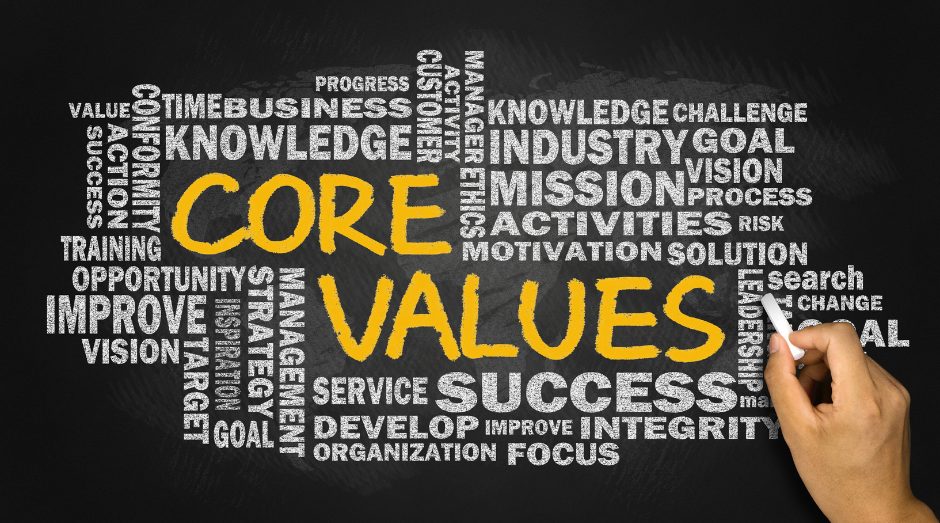
True influence doesn’t come from a title or a certificate. It doesn’t live on the surface of your accomplishments. It resides at your core. To make a lasting impact, you must go beyond the "what" of your life and dive into the "why." What do you stand for when no one is watching? What drives you when the external rewards fade? What are the values you refuse to compromise, even when it’s inconvenient?
This kind of self-knowledge isn’t a "nice-to-have" luxury; it is a mechanical necessity for anyone who wants to move the needle.
The Mirror of Leadership
Whether you are leading a global team, mentoring a single individual, or sharing life lessons from a stage, people are looking for more than just information. They are looking for resonance. People are far more likely to listen and change when your message is backed by lived experience and deep personal clarity.
Too often, we see individuals step into roles of influence without doing the internal work first. They echo advice they’ve heard in a podcast or adopt leadership styles that feel like a borrowed suit, ill-fitting and uncomfortable. But here is the reality: People can feel when something is off. Words without authenticity don’t stick. They might sound eloquent, but they lack the weight required to inspire genuine change.
Grounded Confidence vs. Ego
When you know yourself, your values, your strengths, your limits, and even your blind spots, you begin to operate from a place of grounded confidence. This is the opposite of ego. Ego is loud because it is insecure; it needs to perform and pretend. Grounded confidence, however, is quiet.
When you are clear on your identity, you don't have to "act" like a leader. You don't lead from a place of fear or a need for validation. Instead, you model what it looks like to show up as your whole self. That transparency becomes your most powerful teaching tool. In any setting where you aim to guide others, self-awareness builds a bridge of trust. People don't want a perfect leader; they want a real one. They want someone who owns their story, flaws, setbacks, and all.
The Courage to Step Back
Knowing who you are also gives you the security to know when to step back. It means being so secure in your identity that you don't feel the need to control every outcome or micromanage every process. It allows you to lead with empathy and integrity, creating space for others to grow into their own identities.
This isn’t a one-time task you check off a list. Knowing yourself is a lifelong journey of evolution. Your understanding of your "why" will deepen as you navigate new challenges. But the willingness to look inward, to ask the hard questions and sit with uncomfortable truths, is exactly what separates transactional teachers from transformational leaders.
Your Call to Action
Before you take the mic, walk into that next board meeting, or start your next mentoring session, pause. Ask yourself: "Have I done the work to know who I am?"
The more clarity you cultivate within, the more powerful your impact will be on the world around you. When you lead from the soul, the world listens.
Want help discovering who you are and how it can accelerate your impact?